Hope: Uncut
Upping my optimism levels

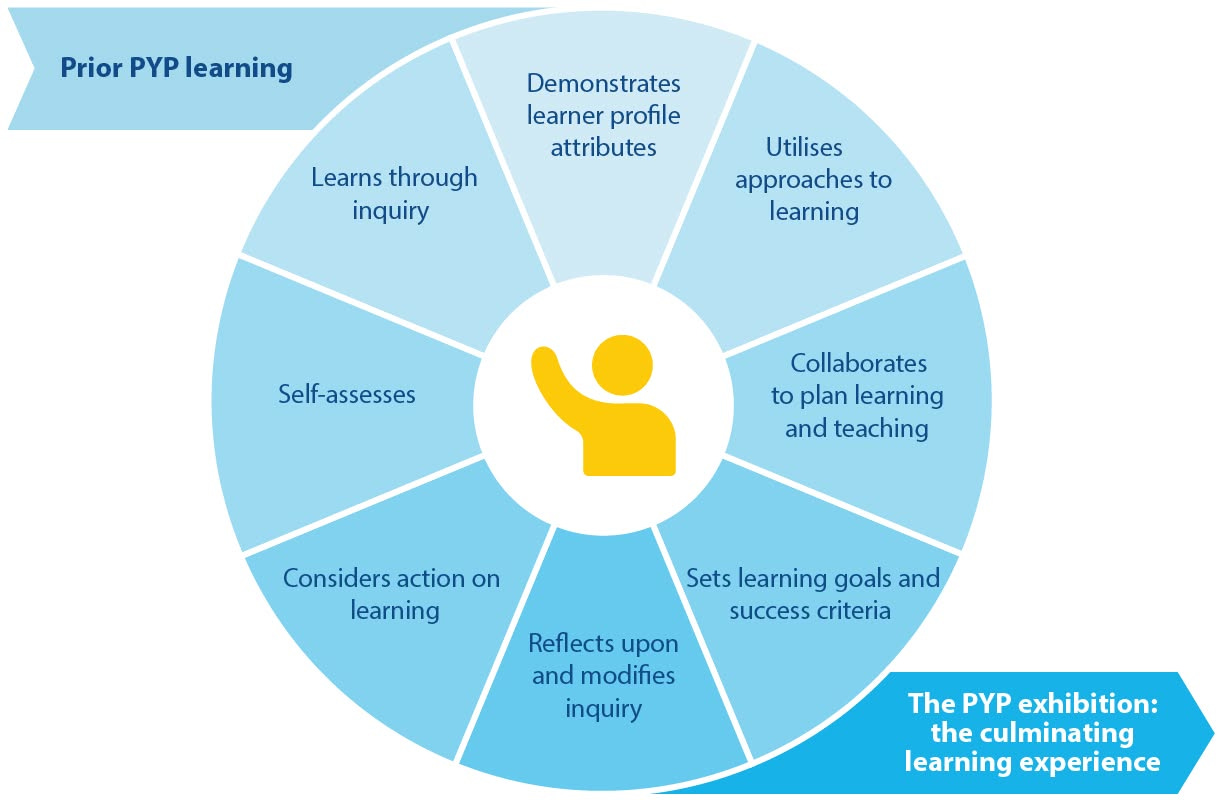
Image Reference: International Baccalaureate. (2022). The Learner.
The PYP Exhibition (PYPx) is the culminating, student-led project for Grade 5 (or final year) students in the International Baccalaureate Primary Years Programme. Students collaboratively research real-world issues, apply key concepts and ATL skills, and take action, culminating in a public presentation that showcases their learning, agency, and personal growth.
I had the privilege of being interviewed by not one but TWO groups of students over the past week as they grappled with the impact of AI and sustainability. Despite this being my third decade (internal gasp) in education from the teaching side, the curiousity and infectious energy of young people will always surprise me.
In my first call with the Grade 5 students of Stockholm International School, we discussed the rapid growth of AI's environmental impact due to massive adoption and a lack of company transparency regarding energy consumption. The session also touched on their research on AI's impact on the environment and mental health. We even got to talk about implications of future brain and AI interconnection via technologies like neuromorphic chips.

The session with Tokyo International School (at 5AM on St. Patrick’s Day no less!) was equally invigorating - here we focussed on the complex feelings about AI, highlighting its benefits in creativity and concerns about its environmental impact. We even got off this planet, metaphorically, and discussed the potential future of AI, including the use of nuclear power and space-based data centers.

In both sessions, I was struck by the baseline knowledge of these students around AI’s environmental impact so bravo to these communities for their ecological stewardship.
And their questions! So good, so thoughtful and so full of agency! Here are some of my favourites:
Why does AI contribute to climate change?
What is AI’s impact on the environment? Why is it growing so fast?
What is the user versus company contribution?
What are some sustainable AI solutions?
What are some greener models?
Do you think that the positive impact of AI makes up for the negative?
Do you have any ideas for how we could spread awareness?
What about the people who just don’t care about the planet and they just keep using AI?
and “What is Eblana Learning?”
(image: I love this picture as it was taken in our school and used regularly on IB publications, all credit to Paul Pacey and the magical start-up times at NAIS Dublin)
The student questions were enlightening, considerate and makes me hopeful for this generation who will be more AI-drenched than we can imagine right now.
And yes, if you are wondering, it DID make me miss the classroom terribly. What a wonderful profession we have, what an honour it is to spend time with unadulterated enthusiasm, sincerity and optimism. My thanks to both Stockholm International and Tokyo International Schools for the opportunity to share these vital messages with the next generation.
And to the students, best of luck in your PYPx and thank you from the bottom of my heart.
AI Disclosure: the questions were transcribed by AI and the gushing sentiment and words are all my own!